
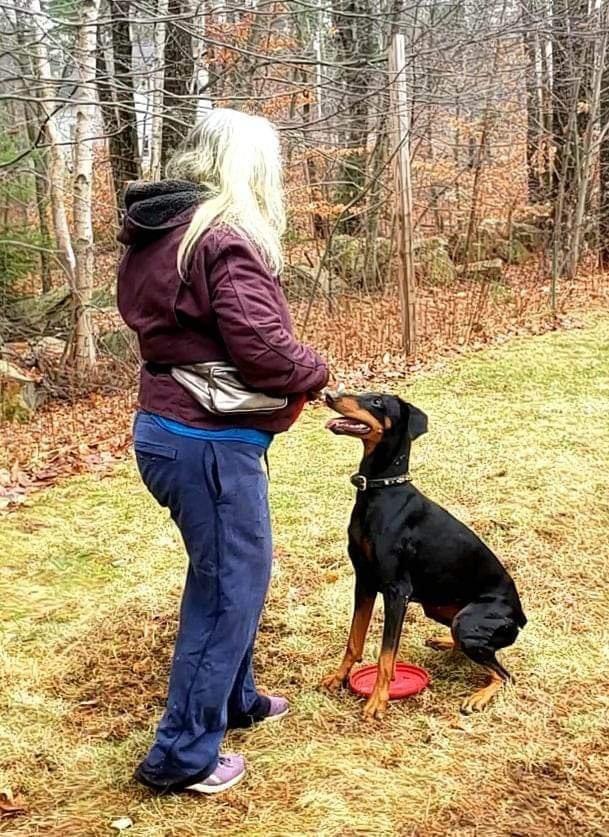
Finding the Best Dog Training Rewards
Using food and toys effectively isn’t just about handing over a treat—it’s about your timing, your management, and building a real partnership with your dog. When you strategically manage your dog training rewards, you get a dog that is locked in and eager to work with you.
While many dogs work great for standard kibble, others need high-value food rewards to stay focused. As a trainer, I always gravitate to whatever the best motivator is for that specific dog. Sometimes, that motivator is something creative a novice owner might not think of—like dedicated time with you, getting outside, going on adventures, learning new tricks, or engaging in a mental challenge. For some dogs, heartfelt praise is the ultimate paycheck. These rewards are especially useful for dogs working through behavioral issues where a specific activity has become a novelty, or for dogs who simply aren’t motivated by the obvious things.
Here are five rules to build focus and enthusiasm in your training sessions:
1. Keep Training Toys Exclusive
The toy you use for training should never sit in the household toy box or be left lying around the living room. Keep it put away. When that specific toy comes out, your dog immediately learns that it’s time to work, creating instant focus and excitement.
2. Keep Sessions Short
Never train until your dog gets tired or bored. Keep reward-based play short—often three minutes or less. Always end the session while your dog is still desperately wanting more. This keeps their motivation high for the next time you step out to train.
3. Perfect Your Reward Timing
Timing is everything in obedience. Deliver your reward within one second of the desired behavior or position. Pair this exact moment with a clear marker word like “good” or a release word like “yes” so your dog knows exactly which choice earned the payoff.
4. Maintain Play Momentum
When training with a toy reward, go right back into active play the very instant you get the desired behavior. This instant transition keeps the energy high and bridges the gap between formal obedience and fun.
5. Channel Play into Focus
The ultimate goal is to take that raw energy built during reward play and channel it directly into reliable formal obedience and everyday manners.
Puppy Safety Note: If you are working with a young puppy, keep toy play gentle. Rough play can turn a softer puppy off, and high-impact twisting or jumping risks damaging their developing growth plates.
What is your dog’s absolute favorite training reward? Let me know in the comments below!
Leave a Reply